• News

I.R.M.A.

I.R.M.A.

Categories
  • Africa
  • Analytics
  • Education
  • Global South
  • Psychology
  • Russia
  • Space
  • Technology
Technology
Africa
Global South
Russia
Space
Menu
  • Home
  • Categories
    • Africa
    • Analytics
    • Education
    • Global South
    • Psychology
    • Russia
    • Space
    • Technology
  • Technology
  • Africa
  • Global South
  • Russia
  • Space
Space 25.03.2026 12:17 178 views

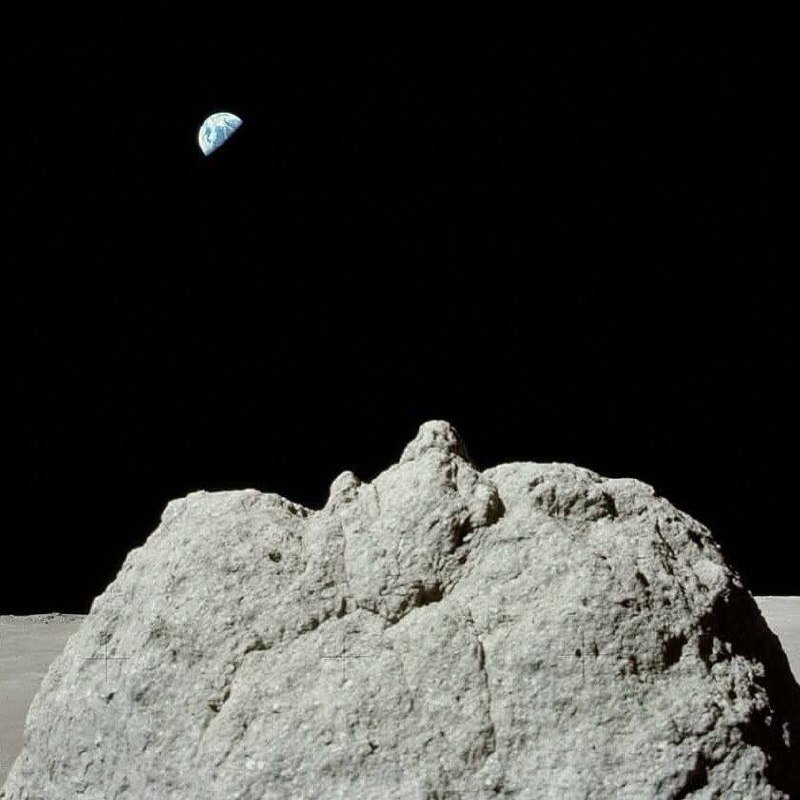
Beautiful Earth (the "blue marble") above the gray lunar rocks.

Photograph from the Apollo 17 expedition.

Beautiful Earth (the "blue marble") above the gray lunar rocks.
Share:

Related Articles

white house proposes nasa budget cuts again

In the 2027 fiscal year, NASA is facing a budget reduction to $18.8 billion, a 23% decrease from the previous year's approved budget. This decrease will impact funding for scientific research, the International Space Station (ISS), and advancements in space technologies.

Conversely, there is a planned $8.5 billion increase in funding for lunar exploration, indicating a shift in NASA's priorities towards furthering exploration efforts on the moon.
white house proposes nasa budget cuts again
06.04.2026
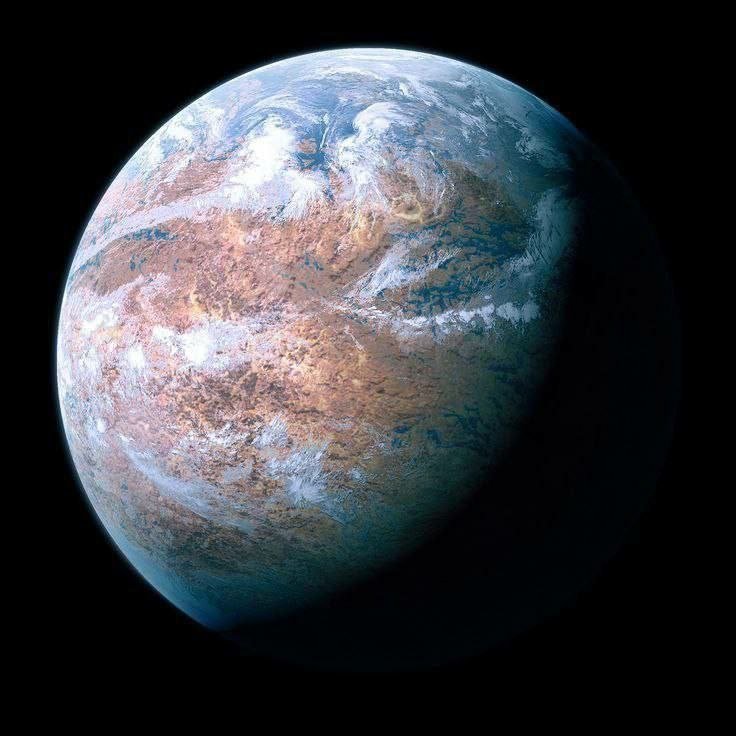
Oldest Known Habitable Planet, Kapteyn B

Two billion years post-Big Bang, Kapteyn B emerged as the oldest known planet capable of supporting life. It receives a similar amount of warmth from its star as Earth, suggesting the potential for liquid water on its surface.
Oldest Known Habitable Planet, Kapteyn B
06.04.2026
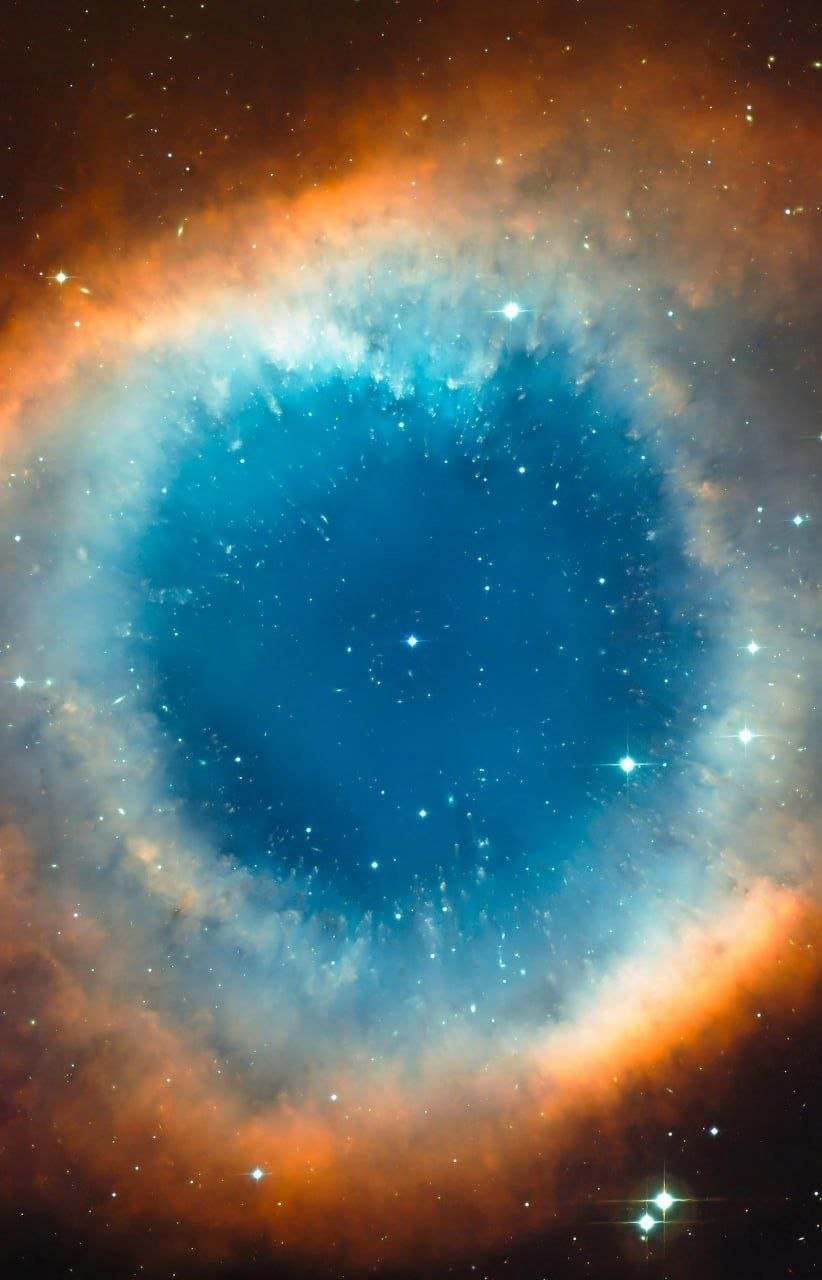
The snail nebula in Aquarius.

Located 650 light-years away, the Snail Nebula in the Aquarius constellation is among the nearest planetary nebulae to Earth. At its core, a visible remnant of a star, resembling our Sun, now exists as a compact white dwarf. This serves as a glimpse into the future, mirroring what awaits our Sun's transformation into a comparable nebula with a dwarf star at its center.
The snail nebula in Aquarius.
06.04.2026
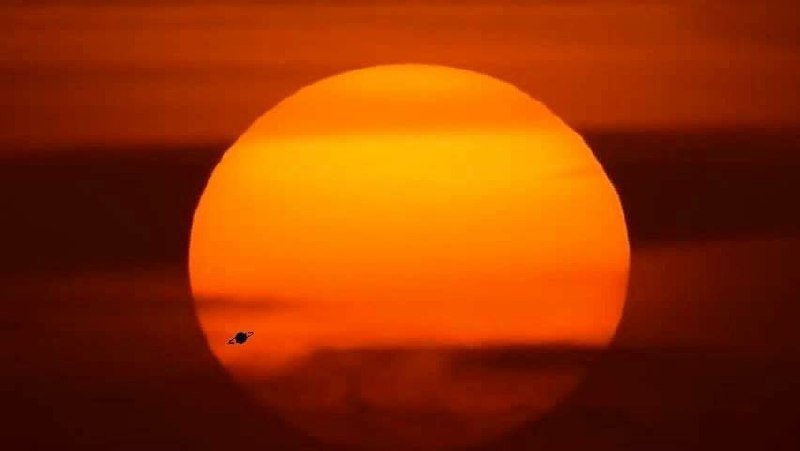
Rare Astronomical Phenomenon: Transit of Saturn Across the Sun

On April 1, 2022, residents on the east coast of the USA had the unique opportunity to witness a rare event: the transit of Saturn in front of the Sun during the early morning hours. This phenomenon, where the planet appears to pass in front of the Sun from the perspective of Earth, provided a captivating celestial show for observers in the region.

The alignment of Saturn crossing the Sun's disk is a relatively infrequent occurrence due to the specific positioning of the planet's orbit in relation to Earth and the Sun. Astronomy enthusiasts and sky gazers were treated to a visually stunning display of planetary motion, highlighting the beauty and precision of celestial mechanics in our solar system.
Rare Astronomical Phenomenon: Transit of Saturn Across the Sun
05.04.2026
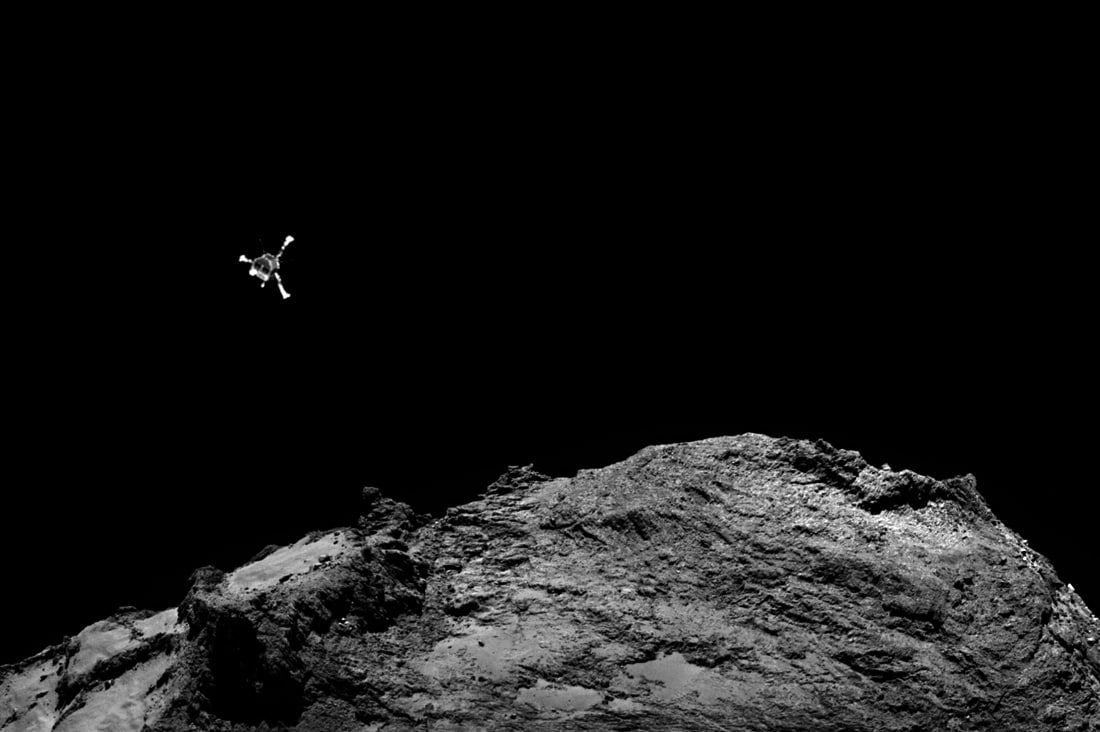
Philae Lander's Bumpy Landing on Comet Churyumov-Gerasimenko

The Philae lander encountered a challenging touchdown on comet Churyumov-Gerasimenko, bouncing off the surface multiple times before settling down gently, albeit off-target. Unfortunately, the landing placed Philae in a shadowed area, hindering its ability to generate power and leading to a substantial reduction in the planned scientific activities due to an energy shortage.
Philae Lander's Bumpy Landing on Comet Churyumov-Gerasimenko
05.04.2026
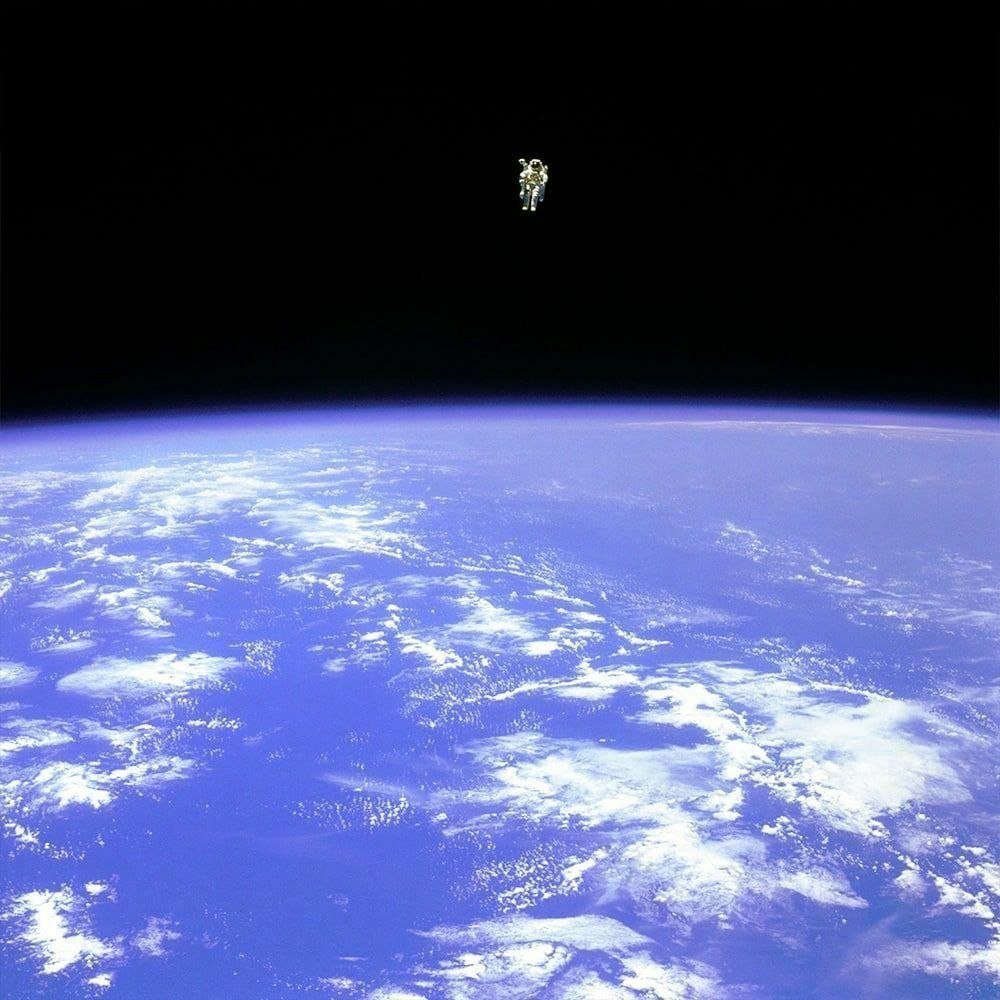
Real photo of astronaut Bruce McCandless in open space.

He drifted nearly 100 meters away from the Challenger spacecraft - farther than anyone before him.
Real photo of astronaut Bruce McCandless in open space.
05.04.2026
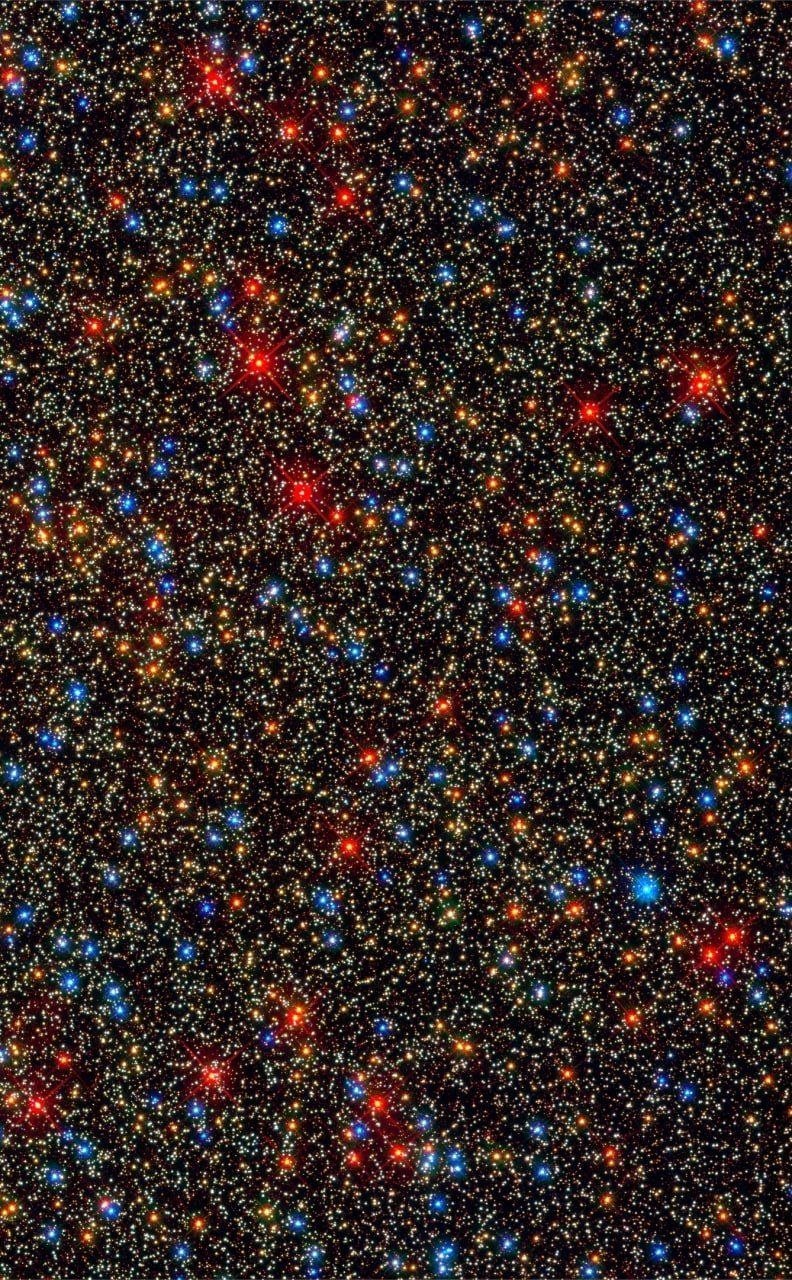
omega centauri globular star cluster captured by hubble telescope

The Hubble Telescope recently captured an image of the core of the Omega Centauri globular star cluster. This cluster, situated about 15,000 light-years away from Earth, is host to approximately 10 million stars.

This stunning image provides a glimpse into the heart of one of the most massive and luminous globular clusters in our galaxy, showcasing the beauty and complexity of the universe's stellar formations.
omega centauri globular star cluster captured by hubble telescope
05.04.2026
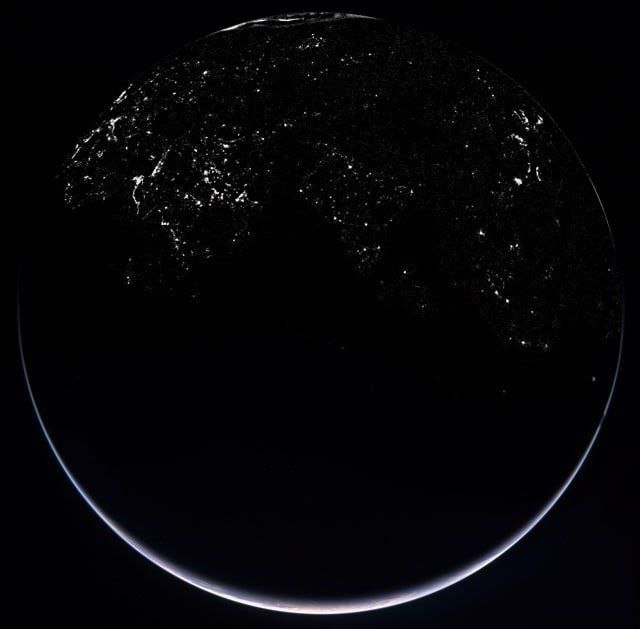
Rosetta Spacecraft Captures Stunning Night Earth View

The Rosetta spacecraft took a mesmerizing image of Earth at night from a distance of approximately 75,000 km in November 2007.

This breathtaking snapshot showcases our planet illuminated in the darkness of space, highlighting the beauty of Earth as seen from afar.
Rosetta Spacecraft Captures Stunning Night Earth View
04.04.2026
Popular Articles
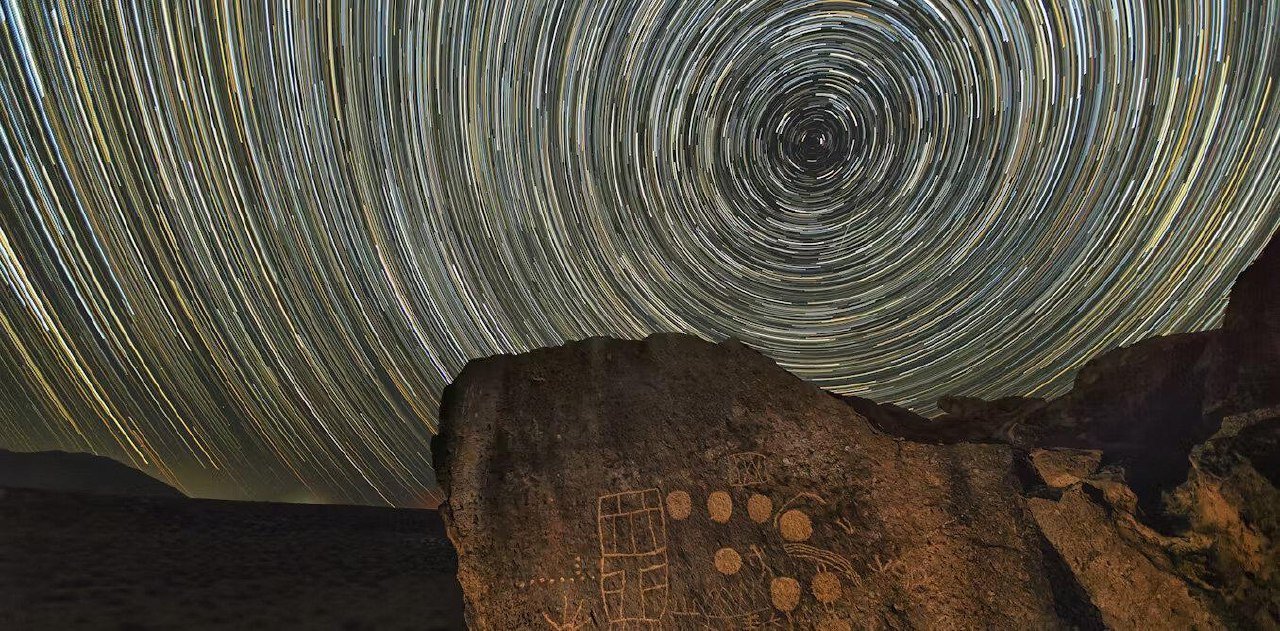
Why do some constellations remain visible while others disappear?

Why do some constellations remain visible while others disappear?

07.03.2026
Israel reportedly targeted the office of Iranian President Ebrahim Raisi in Tehran on Monday night.

Israel reportedly targeted the office of Iranian President Ebrahim Raisi in Tehran on Monday night.

03.03.2026
Critical Thinking

Critical Thinking

01.03.2026
Channel Violates Local Laws

Channel Violates Local Laws

01.03.2026
Russian Forces Resume Offensive in Zaporizhzhia Region

Russian Forces Resume Offensive in Zaporizhzhia Region

05.03.2026
Navigation

  • Home

Categories

  • Africa
  • Analytics
  • Education
  • Global South
  • Psychology
  • Russia
  • Space
  • Technology