Analytics

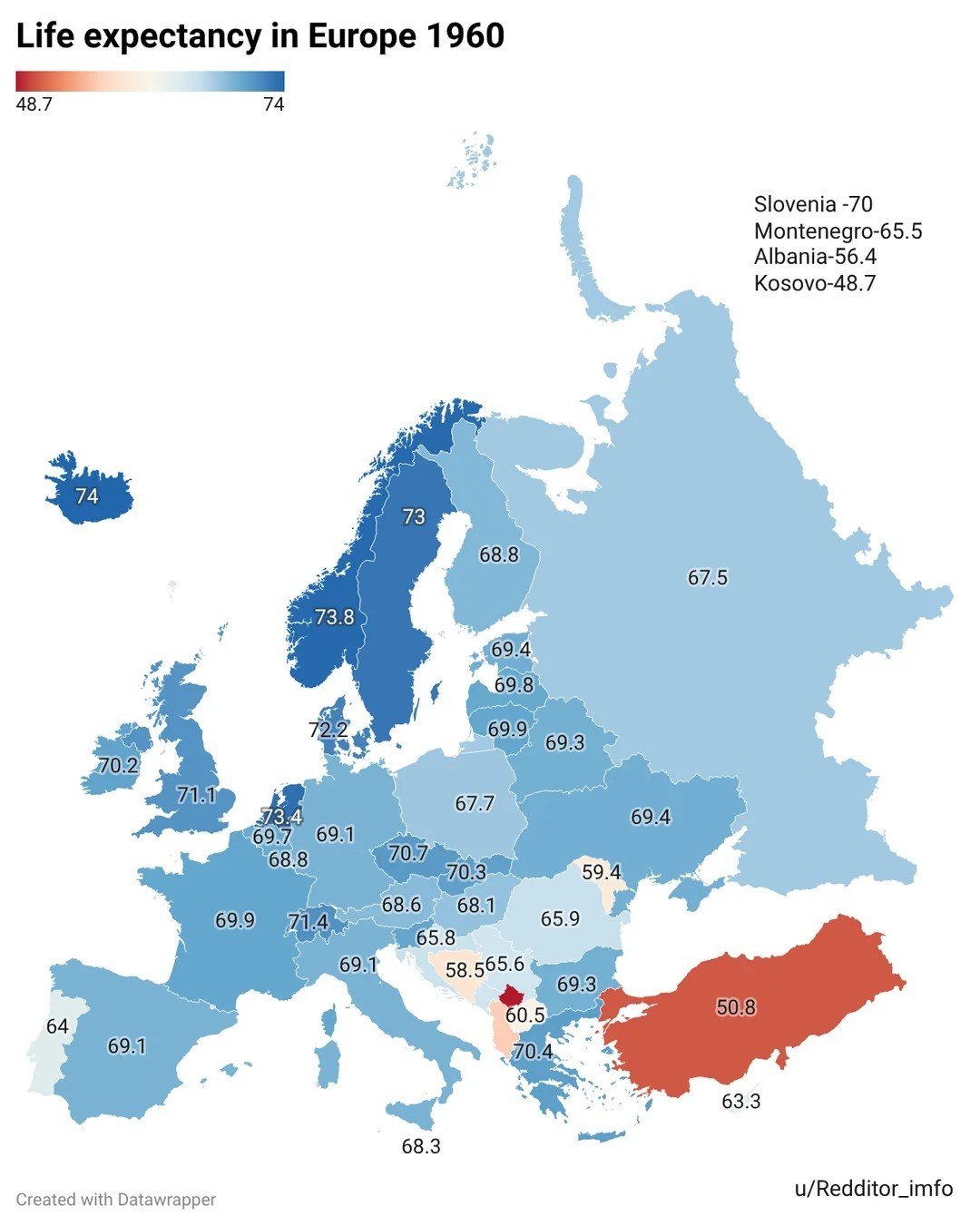
Life expectancy variations across European countries in 1960

Life expectancy variations across European countries in 1960 In 1960, life expectancy in Russia was 67.5 years, a typical figure for Europe. This number fell between the high of 73-74 years in Scandinavia and the low of 64 years in Portugal, far exceeding Turkey's 50.8 years. Today, Russians born expect to live 73.1 years, showing progress. Comparatively, Portugal now ranks 25th globally with 82.4 years, and Turkey ranks 78th at 77.2 years, surpassing Russia's 119th place.
Countries Larger (and Smaller) Than the World's Largest National Park

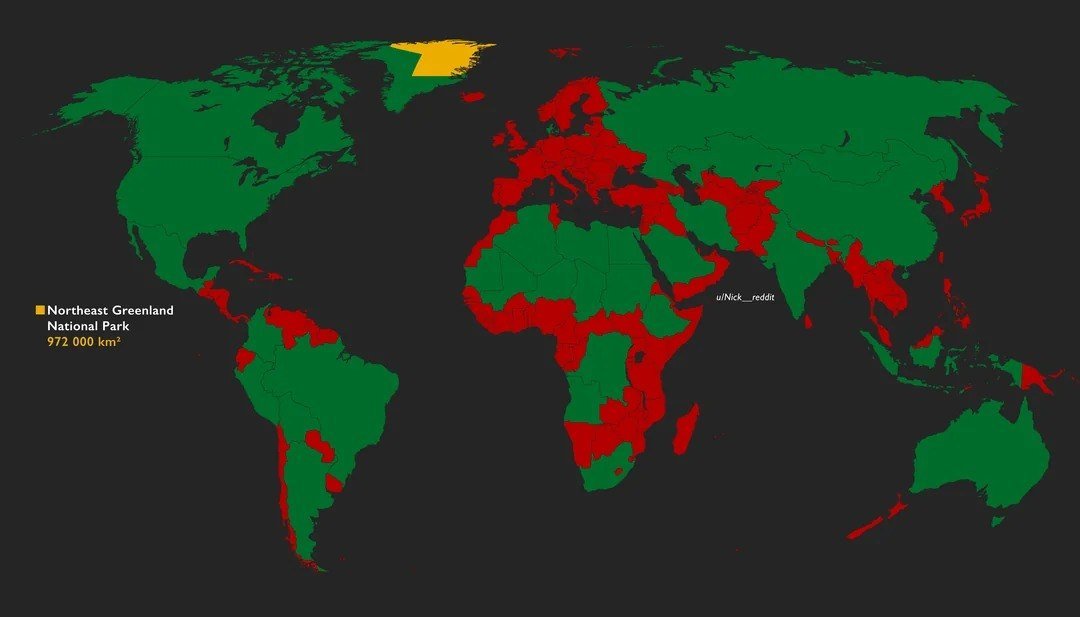
Countries Larger (and Smaller) Than the World's Largest National Park The world's largest national park, Northeast Greenland National Park, spans just under a million square kilometers. This vast area surpasses the size of most European countries, excluding Russia and Denmark (to which Greenland belongs), as well as numerous Asian, African, and several Latin American countries. It's remarkable to consider that this immense expanse is only one of many national parks worldwide.


Legality of Using a Mobile Phone While Driving in Different Countries Around the World

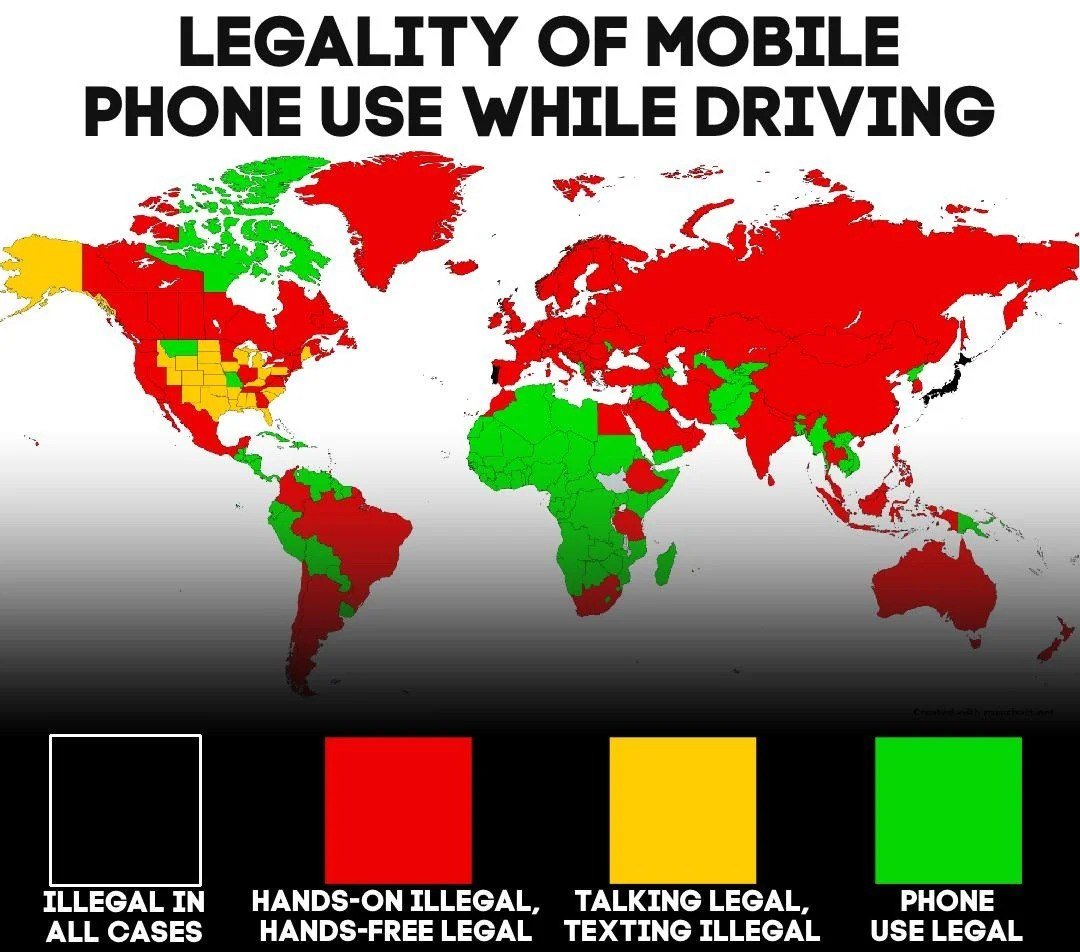
Legality of Using a Mobile Phone While Driving in Different Countries Around the World In most countries, including ours, using a phone while driving is only allowed in hands-free mode. This means not holding the phone: drivers can talk through a headset or speakerphone. Portugal and Japan have strict bans on using phones while driving, while some U.S. states permit talking on the phone (even holding it), but prohibit texting. Interestingly, no country has identical laws on this issue. Contrastingly, in many African countries, as well as numerous countries in Asia and Latin America (often less developed), drivers are allowed to use their phones in any form while driving. Surprisingly, a few U.S. states and one Canadian territory also permit this practice.


Regions in the world more developed than the capital region of Chile

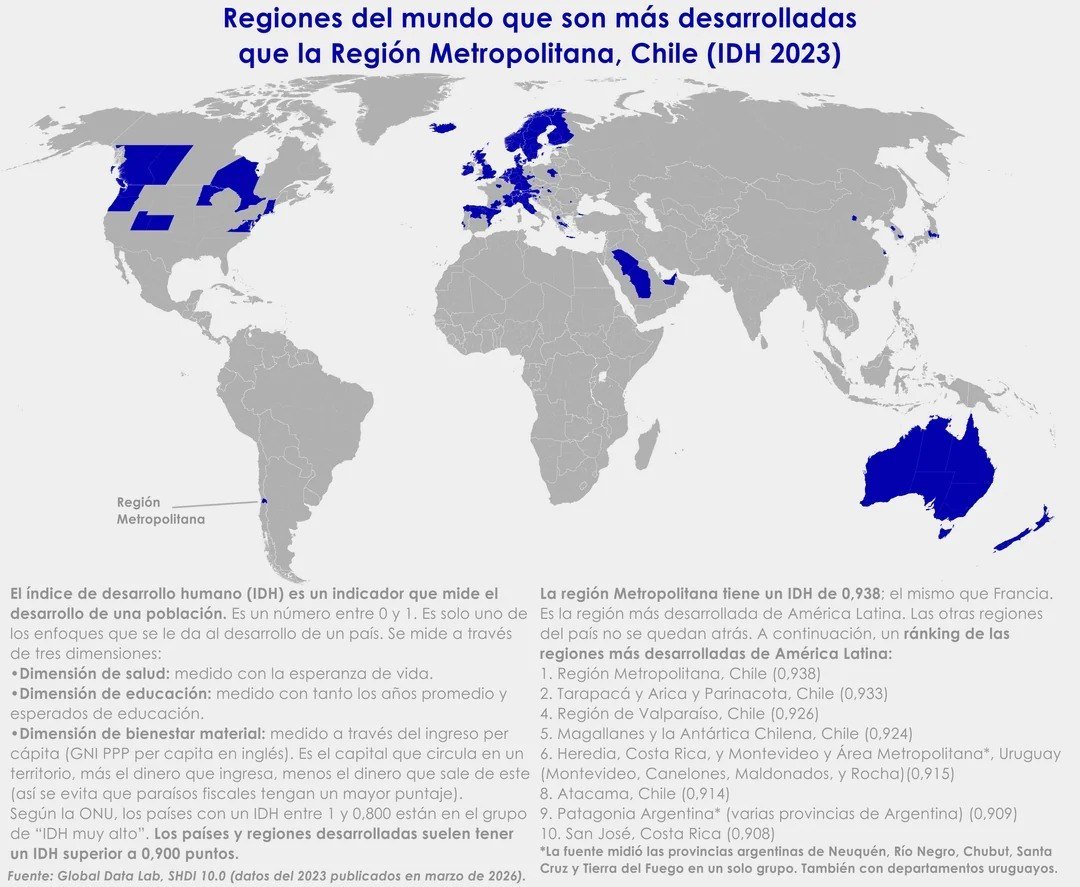
Regions in the world more developed than the capital region of Chile Chile stands out as one of the most prosperous countries in Latin America, with the Human Development Index (HDI) in its capital region surpassing that of most regions in European countries. Few countries boast all regions with a higher HDI than the Santiago region in Chile; these include the Nordic countries (like Finland and Iceland), the United Kingdom, Ireland, Australia, and New Zealand. Additionally, certain regions with a higher HDI can be found in the USA, Canada, several European countries, Saudi Arabia, UAE, China, Japan, and South Korea, outpacing even cities like Moscow.


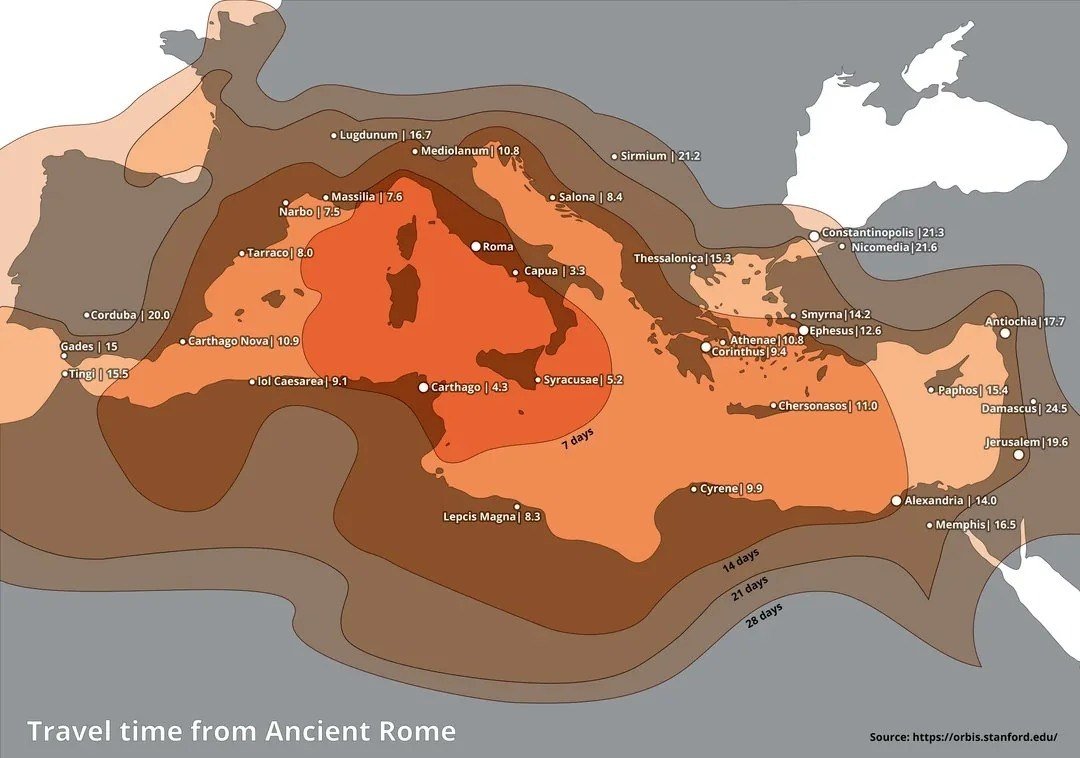
Travel Time from Ancient Rome to Various Cities in the Roman Empire

Travel Time from Ancient Rome to Various Cities in the Roman Empire One could reach half of present-day Italy from Rome within a week, although traveling to the Adriatic coast took longer due to the need to travel either by land, slower, or by water around the peninsula. Additionally, one could reach many islands in the Mediterranean Sea and even Carthage within this timeframe. Within two weeks, it was possible to reach nearly the entire Mediterranean region, spanning from present-day Spain to Greece and from Egypt to the Alps. This feat highlights the extensive reach of travel during ancient Roman times, showcasing impressive connectivity across vast territories. The ability to traverse such distances over two millennia ago is a testament to the advanced transportation networks and infrastructure of the Roman Empire, enabling expedited travel and communication throughout the region.


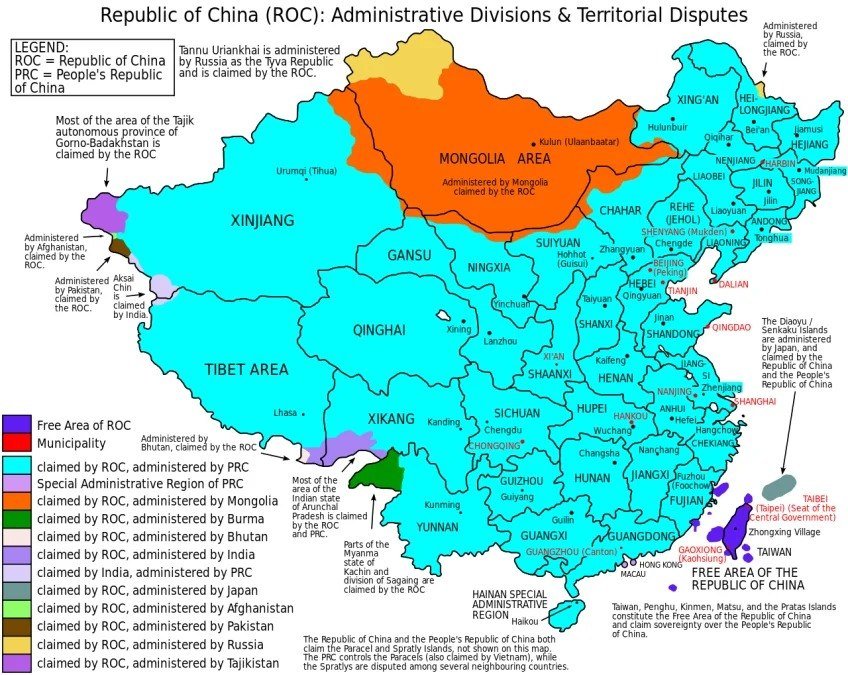
Map of China According to Taiwanese Government

Map of China According to Taiwanese Government Taiwan's perception of China's map differs significantly from the official view held by the People's Republic of China. Taiwan considers itself as an island separate from mainland China, which is predominantly controlled by the mainland government. In addition to the core territory, Taiwan's map includes regions currently under the administration of other countries, according to their perspective. This expanded view encompasses territories in Mongolia, Myanmar, Bhutan, India, Japan, Afghanistan, Pakistan, and Tajikistan, reflecting Taiwan's distinct geopolitical stance.


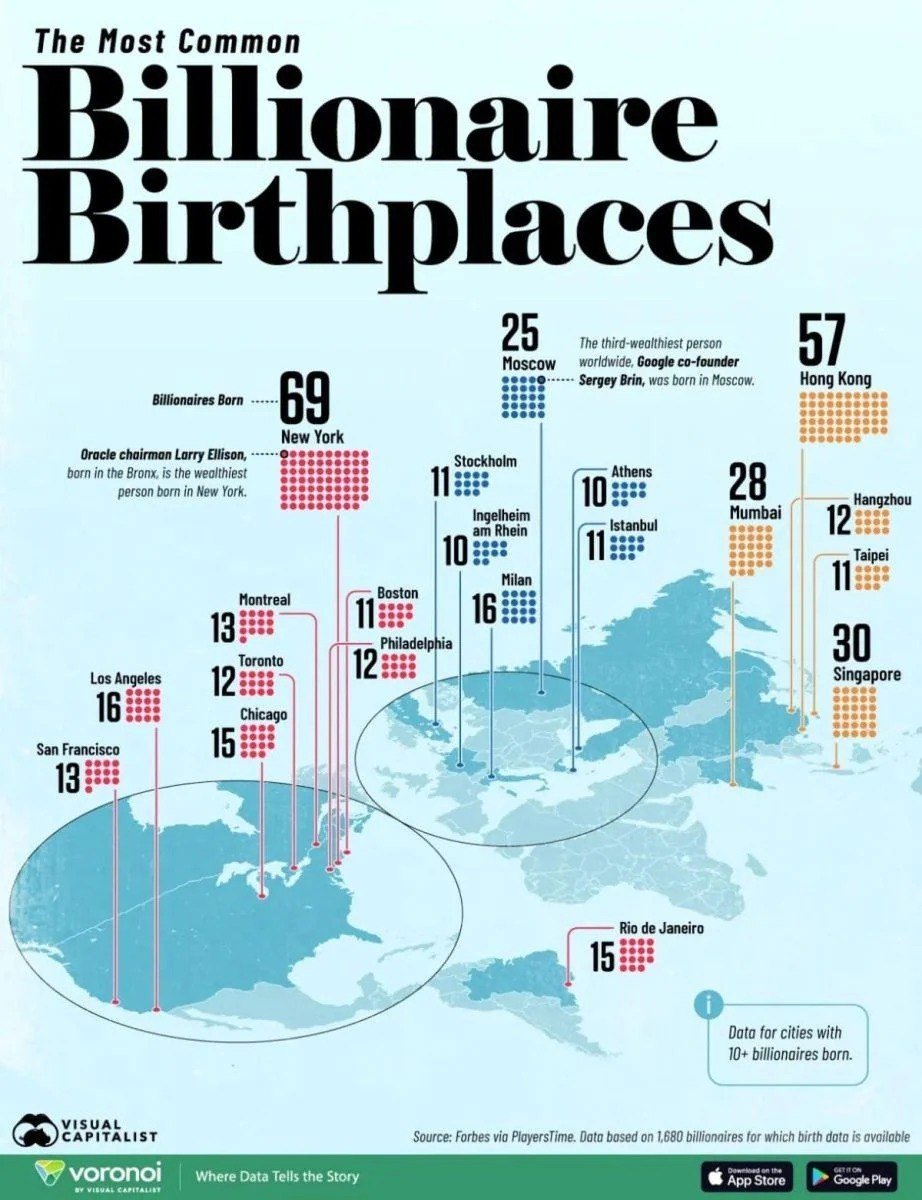
Cities leading in the number of dollar billionaires born there

Cities leading in the number of dollar billionaires born there New York takes the lead with a staggering 69 billionaires born in the city. In comparison, major Californian cities like Los Angeles and San Francisco have 16 and 13 billionaires, respectively, reflecting the impact of recent technological advancements. Following closely behind on a global scale is Hong Kong, boasting 57 billionaires, with Singapore, Mumbai, and Moscow following with 30, 28, and 25 billionaires, respectively, securing their spots in the top billionaire birthplaces. European cities show lower numbers, with Milan standing out with 16 billionaire births, showcasing a significant difference compared to the leading cities in other regions.


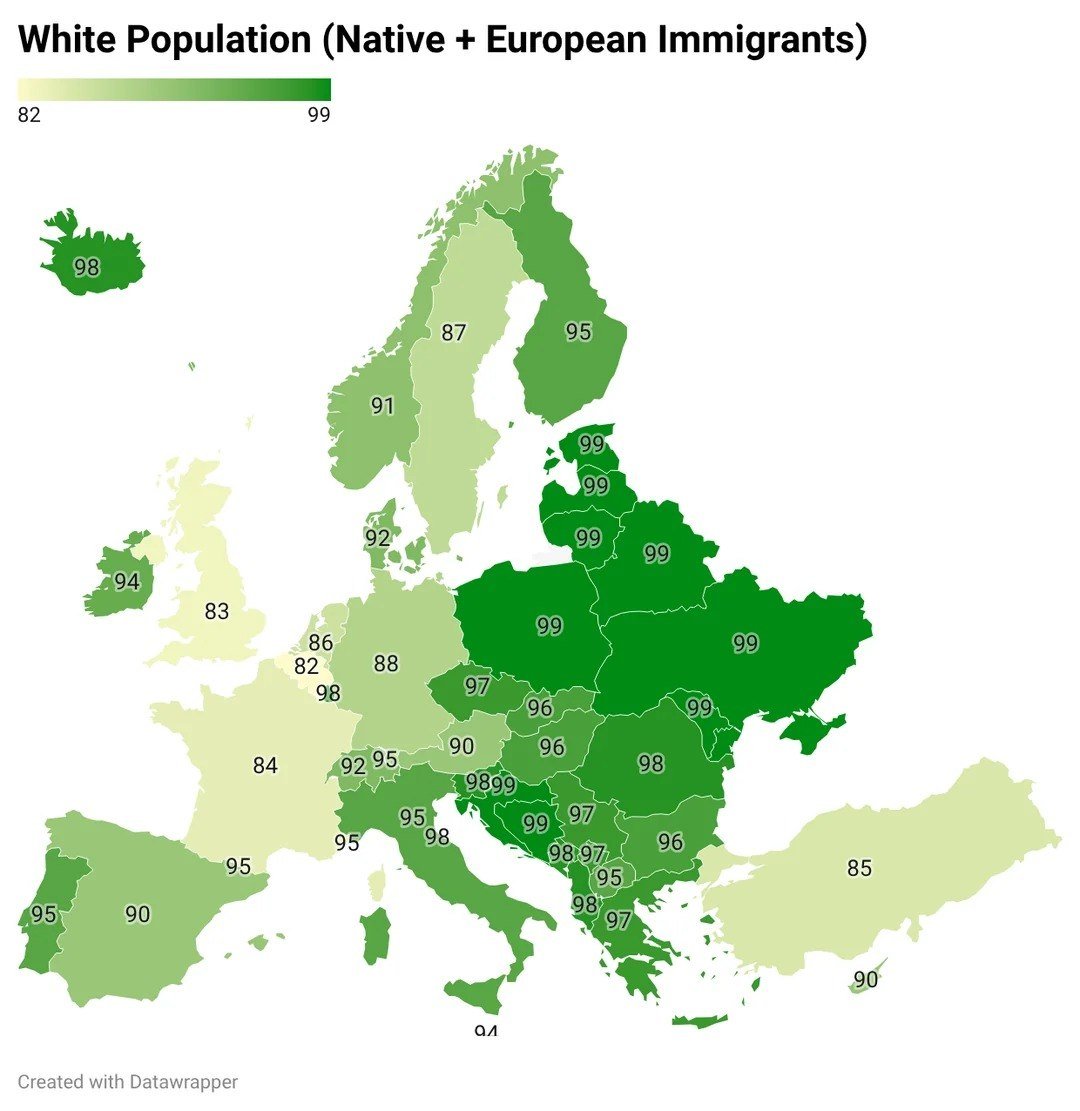
Proportion of White Population in European Countries

Proportion of White Population in European Countries The proportion of white population in Europe typically exceeds 50%, but in several countries, it falls below 100%. Eastern European nations have the smallest presence of other races, with white individuals making up about 99% of the overall population. Belgium has 82% white residents, the United Kingdom 83%, and France 84%.


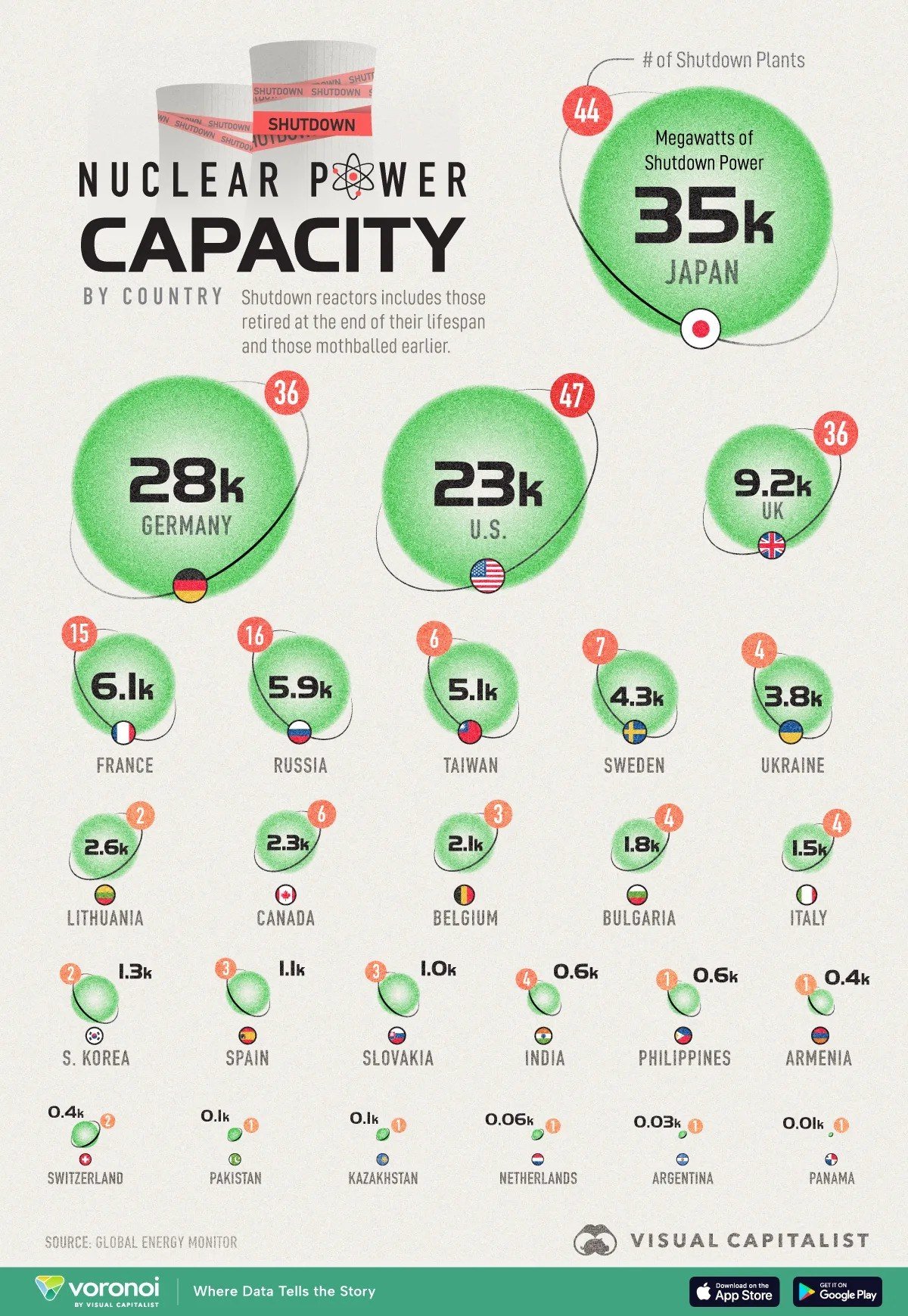
Countries Actively Phasing Out Nuclear Energy

Countries Actively Phasing Out Nuclear Energy Japan, Germany, and the USA are at the forefront of decommissioning nuclear power plants post the Fukushima incident. Japan leads with 44 reactors shut down (35,000 MW), followed by Germany with 36 reactors closed (28,000 MW), and the USA with 47 reactors decommissioned (23,000 MW). Ranking sixth on the list, we have closed 16 reactors, resulting in a capacity decrease of 5.9 thousand MW.


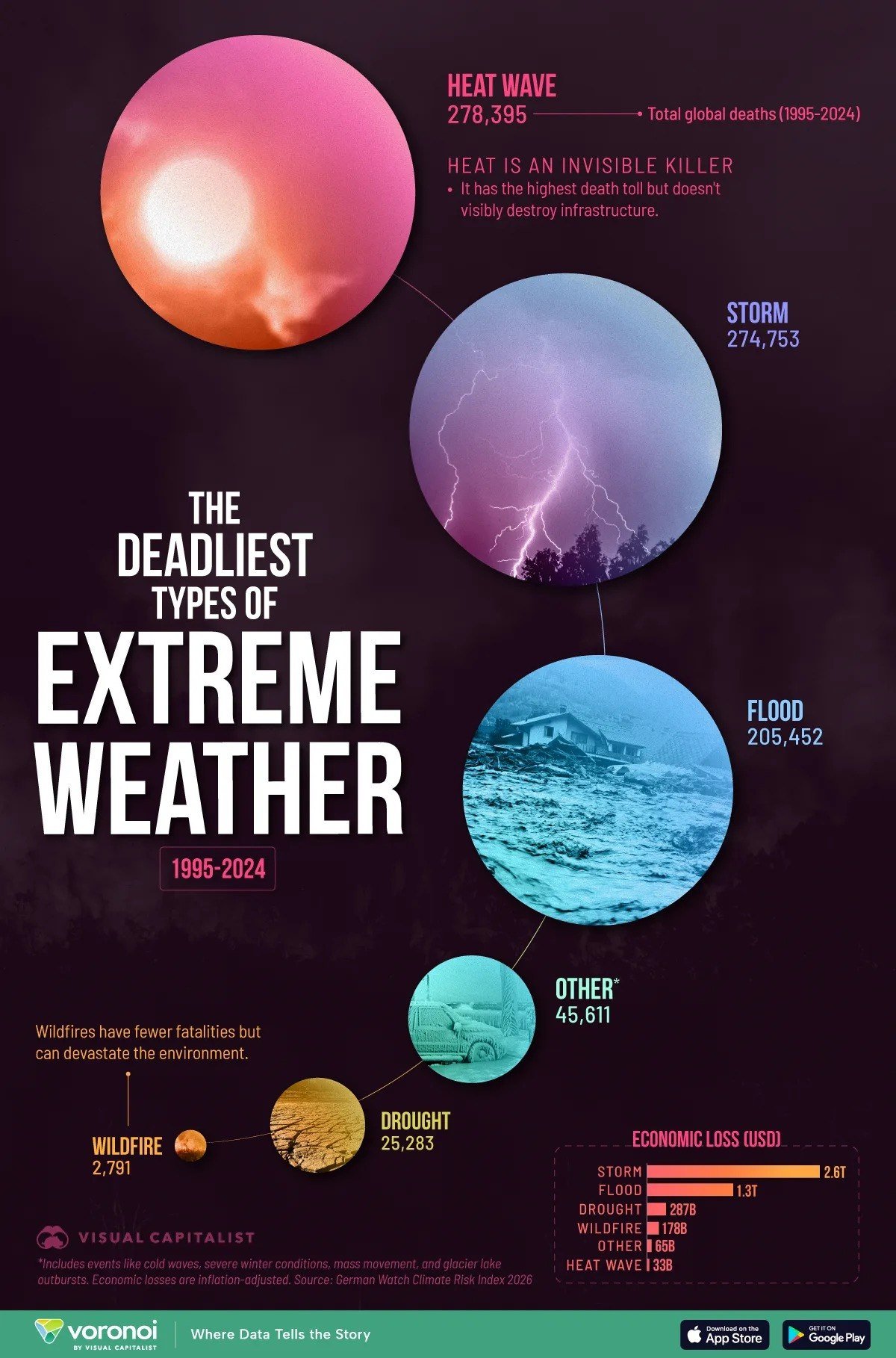
The Deadliest Types of Extreme Weather Events

The Deadliest Types of Extreme Weather Events From news background, movies, and social media, it may seem like hurricanes, floods, and fires should top the list - but no! The most lives are claimed by the common heat: between 1995 and 2024 worldwide, over 278 thousand people died due to extreme heat! Storms-hurricanes claimed slightly fewer lives at nearly 275 thousand, while floods took about 205 thousand. However, hurricanes have the highest economic losses: $2.6 trillion during this period compared to $33 billion for heat: a difference of almost 100 times! Interestingly, extreme cold is not even classified separately - it falls under the "other" category with a total of 45.6 thousand deaths.