Space

Torrential Rain and Squally Wind: A Glimpse of Dagestan from Space

Torrential Rain and Squally Wind: A Glimpse of Dagestan from Space A powerful cyclone originating from the Caspian Sea resulted in a significant flood in the Republic. Footage from Roscosmos satellites, namely "Electro-L" and "Arktika-M," showcases the extent of the natural disaster.
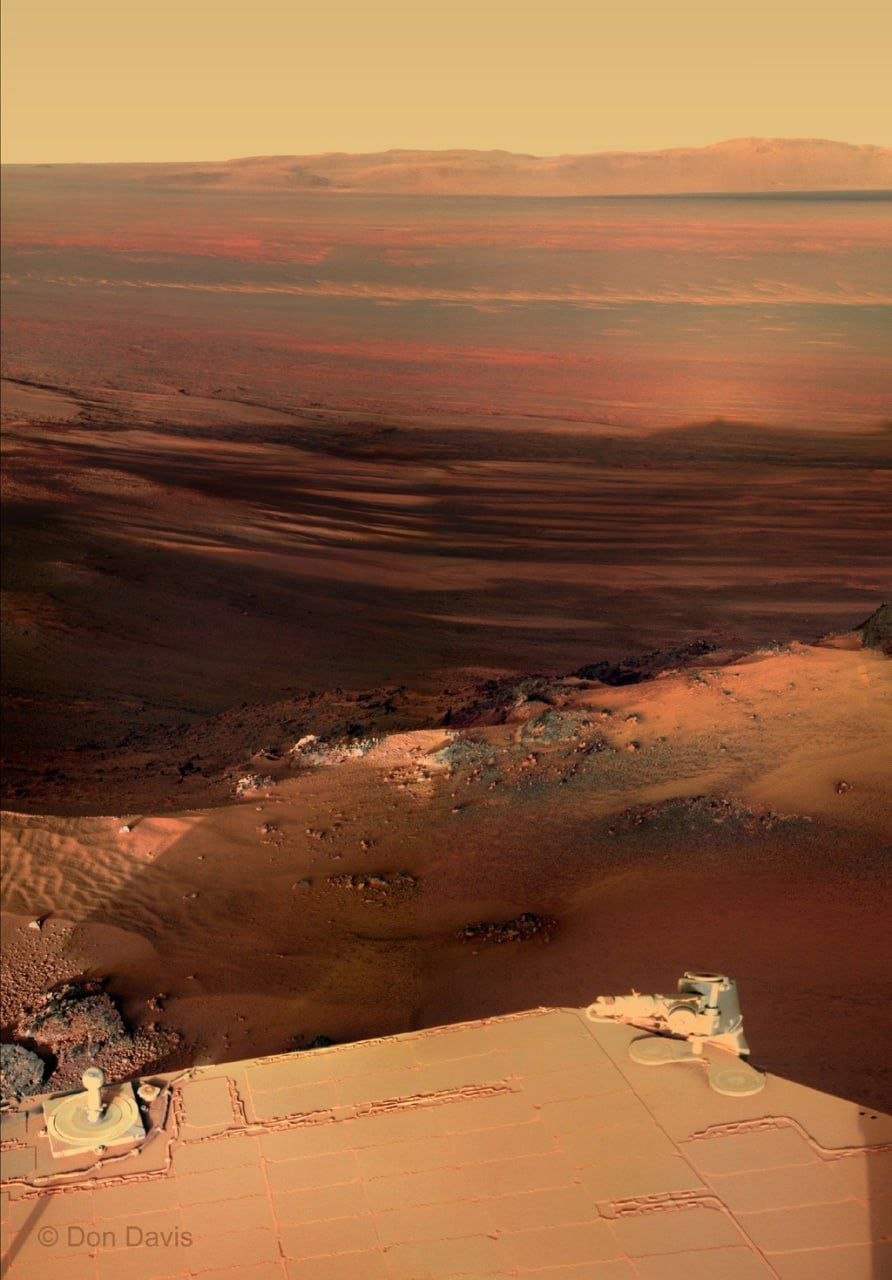
Exploring Mars Through the Eyes of the Opportunity Rover

Exploring Mars Through the Eyes of the Opportunity Rover The Mars rover Opportunity provided breathtaking views of the Martian landscape until its mission concluded on January 27, 2012. The rover's images offered unique perspectives of the Red Planet, capturing its rocky terrain, vast plains, and intriguing geological features. Opportunity's exploration of Mars allowed scientists to study the planet's surface in detail, uncovering valuable information about its history and geology. The rover's findings provided crucial insights into Mars' past climate, water presence, and potential for sustaining life, shaping our understanding of this mysterious neighboring planet.


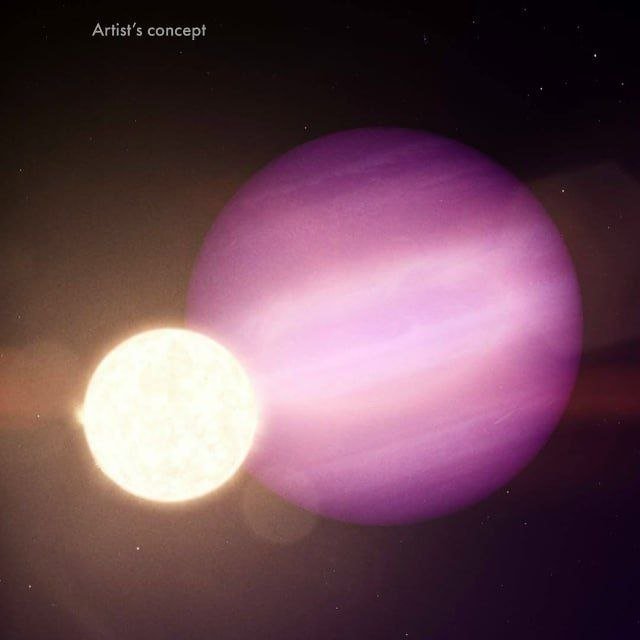
Planet Larger Than its Star

Planet Larger Than its Star In 2020, astronomers discovered a gas giant named WD 1856 b in the Draco constellation, located 80 light-years away from Earth. Despite being similar in size to Jupiter, this planet is seven times larger than its host star. WD 1856 b orbits a white dwarf, the remnant of a Sun-like star that has shed most of its mass during its evolution. The gas giant's orbit is remarkably tight, positioned only 50 times closer to its star than Earth. This close proximity results in WD 1856 b completing a full orbit around its star in just 34 hours, showcasing the extreme nature of this exoplanetary system.


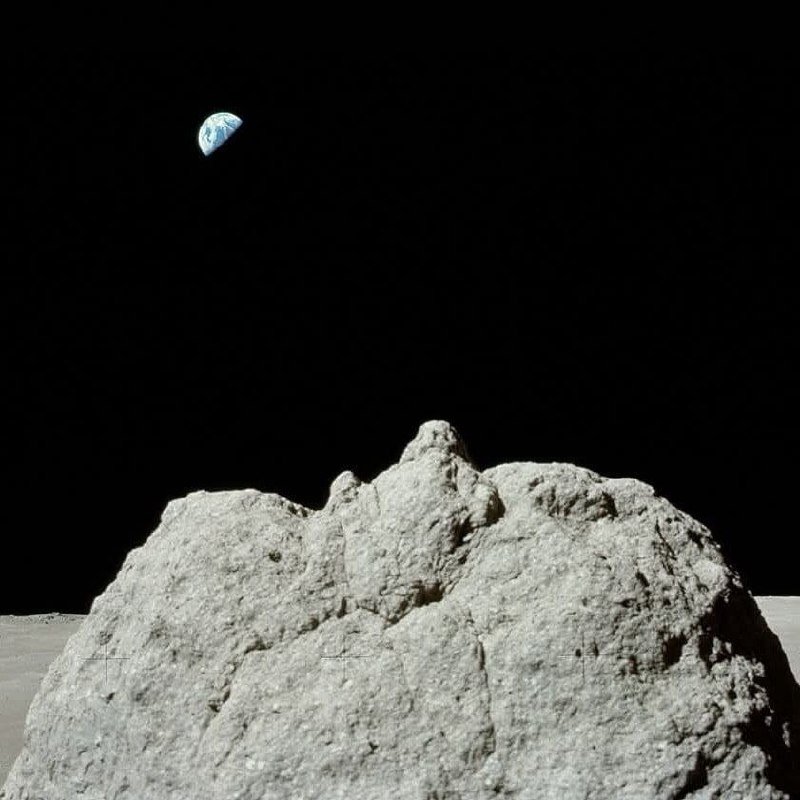
Beautiful Blue Marble above the Grey Lunar Rocks

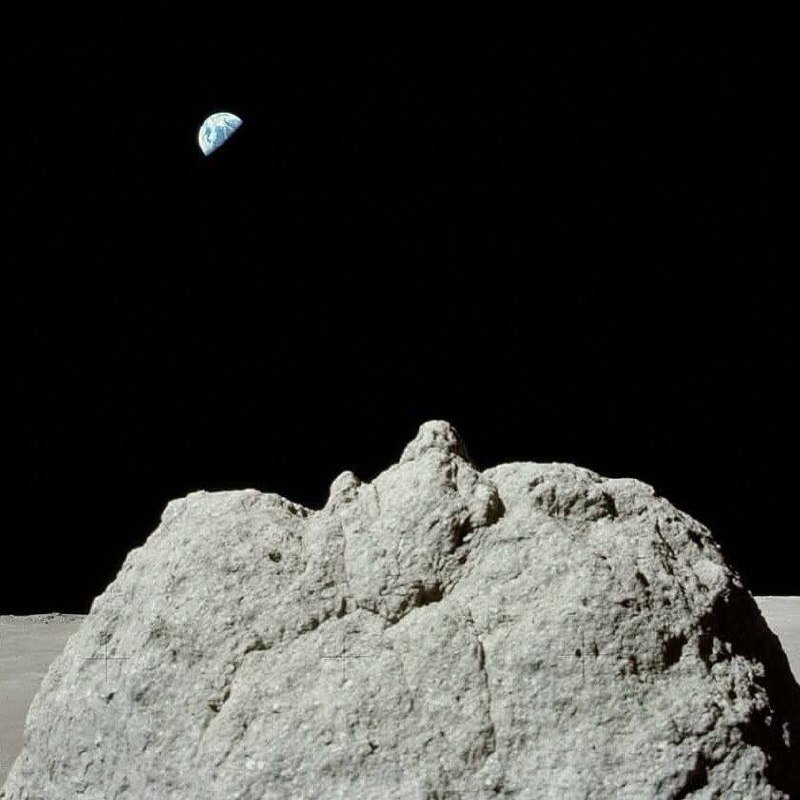
Beautiful Blue Marble above the Grey Lunar Rocks Photograph from the Apollo 17 expedition.


Africa and the Moon from the ISS

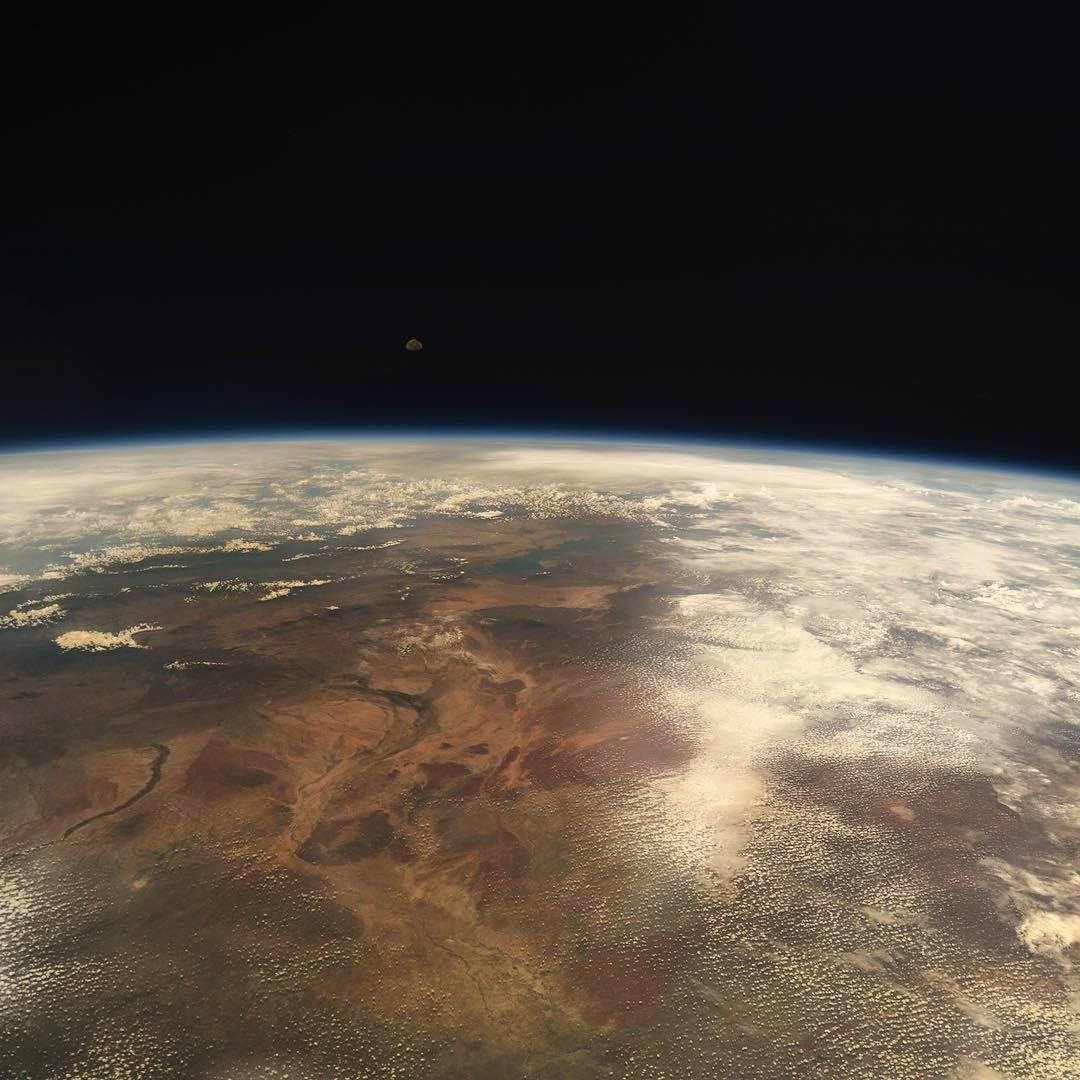
Africa and the Moon from the ISS A stunning image captured from the International Space Station (ISS) shows the continent of Africa illuminated by city lights, with the Moon shining brightly in the background. The photograph, taken from the ISS orbiting 420 kilometers above Earth, highlights the contrast between the artificial lights of civilization on the African continent and the natural light of the Moon in the night sky.


One Light-Year Equals Approximately 10 Trillion Kilometers

One Light-Year Equals Approximately 10 Trillion Kilometers Measurements on Earth are based on physical distances, while in space, distances are vast, leading to the use of units that incorporate time. The most common space measurement is a light-year, which is the distance light, the fastest known entity in the Universe, travels in one year, around 10 trillion kilometers in distance. For instance, Alpha Centauri, the second closest star to Earth, is situated at a distance of 4.4 light-years, approximately 44 trillion kilometers away.


Trap for Colonists: Invisible Barriers on the Way to the Red Planet

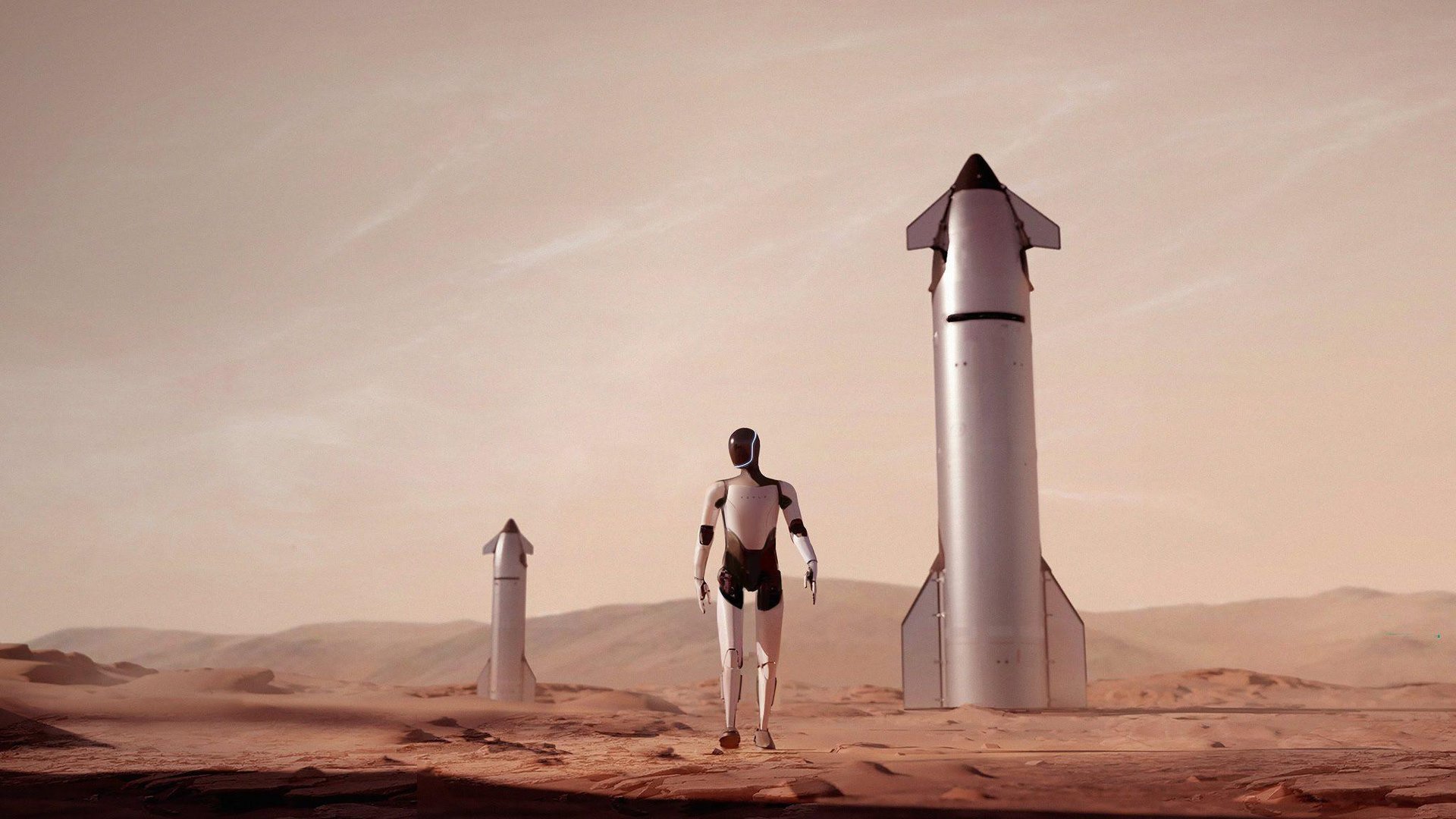
Trap for Colonists: Invisible Barriers on the Way to the Red Planet What does a flight to Mars entail? The journey involves considerations beyond logistics and costs; the reliability of life support systems is vital. However, the challenge extends beyond technical aspects: human nature may pose a significant obstacle to sustaining life on Mars. Space Expert Igor Afanasyev from Pro Cosmo explores the hurdles of Mars colonization in detail. He sheds light on the complexities involved in establishing human settlements on the Red Planet, highlighting the potential clash between human behavior and the demands of living beyond Earth. In light of these challenges, the question arises: Will humanity ever successfully conquer and inhabit Mars, or are there insurmountable barriers that could impede our efforts to make the Red Planet a second home?


Ruby-Like Crystals Found in Martian Rocks

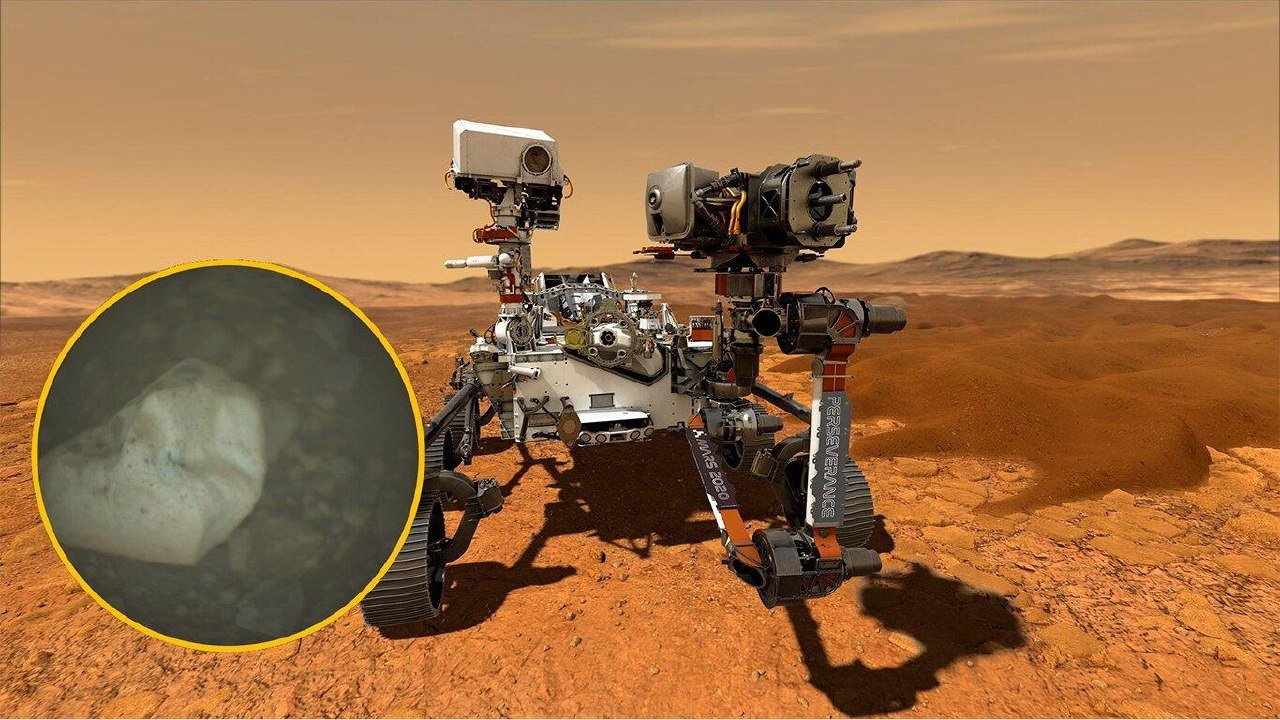
Ruby-Like Crystals Found in Martian Rocks The Mars rover Perseverance has discovered corundum crystals on the rim of the Jezero Crater - a mineral from which precious stones are formed on Earth. Chrome inclusions, typical of rubies, were found in three samples. The Martian "precious stone" may have formed during impacts by large meteorites.


Rocket Launch of Spectrum in Norway Aborted

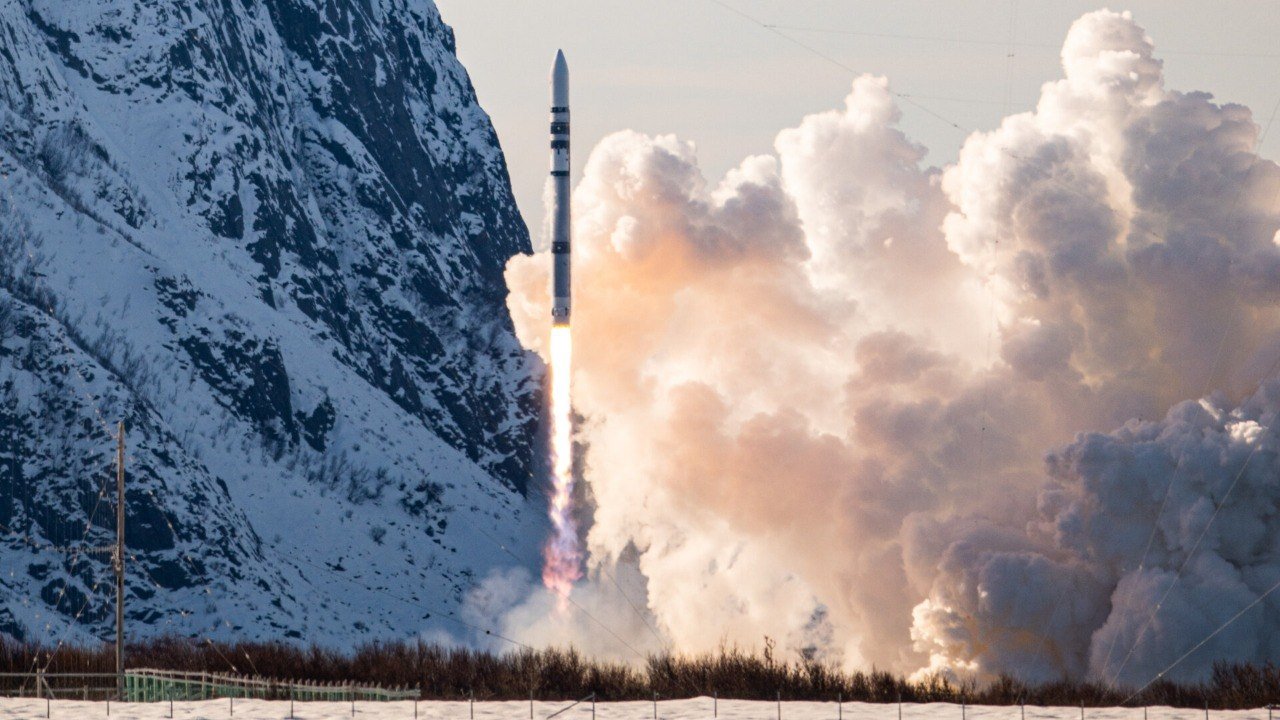
Rocket Launch of Spectrum in Norway Aborted The countdown was stopped due to a boat appearing in the hazardous zone. Following the timer reset, the German company Isar Aerospace missed the launch window. The rocket was intended to deploy five CubeSats and a scientific experiment. Last year, less than a minute after liftoff, an anomaly occurred, causing the vehicle to crash into the sea near the spaceport.


Beautiful Earth (the "blue marble") above the gray lunar rocks.

Beautiful Earth (the "blue marble") above the gray lunar rocks. Photograph from the Apollo 17 expedition.